
Searches for “vibe marketing” have skyrocketed by 686% over the last year, and with good reason. It’s the most powerful marketing trend to emerge in the AI era.
Instead of costly, slow campaigns, vibe marketing builds a brand’s emotional identity and cultural relevance with speed and efficiency.
Now used by nearly half of Fortune 500 companies, it allows brands to cut production costs by up to 80% while forging deeper consumer connections.
In this article, we’ll explore how vibe marketing works, the best tools for it, and the statistics proving its impact on consumer connections.
Vibe Marketing Statistics: Key Takeaways
- Searches for Vibe Marketing have surged by 686% over the past year.
- Companies are hiring dedicated vibe marketers with a pay of up to $1 million.
- Vibe marketing has become a leading strategy that taps into emotion, culture, and authentic storytelling.
- Brands in 2024-2025 cut ad budgets, automate narratives, and cultivate organic communities.
- The shift now yields quantifiable gains in engagement and cost control, along with consumer trust.
What Is Vibe Marketing?
Vibe marketing uses emotional insight and cultural cues to craft content that genuinely connects with communities. It shifts focus from product benefits to emotional resonance with a brand’s identity and voice.
It embraces messy, unpolished human content, moving away from overproduced messaging.
Brands using this approach often replace conventional ads with authentic, vibe-first formats, such as memes, UGC, Discord convos, and mascot-led stories.
How Does The VIBE Marketing Framework Work?
VIBE is an acronym for Velocity, Identity, Boundaryless, and Emotions first.

V = Velocity
- Brands move at the speed of cultures, not legacy production cycles.
- This fast response strategy, referred to as the “cenataur mindset”, allows brands to act with cultural precision and speed.
- AI is used to test emotional directions and respond instantly to cultural shifts.
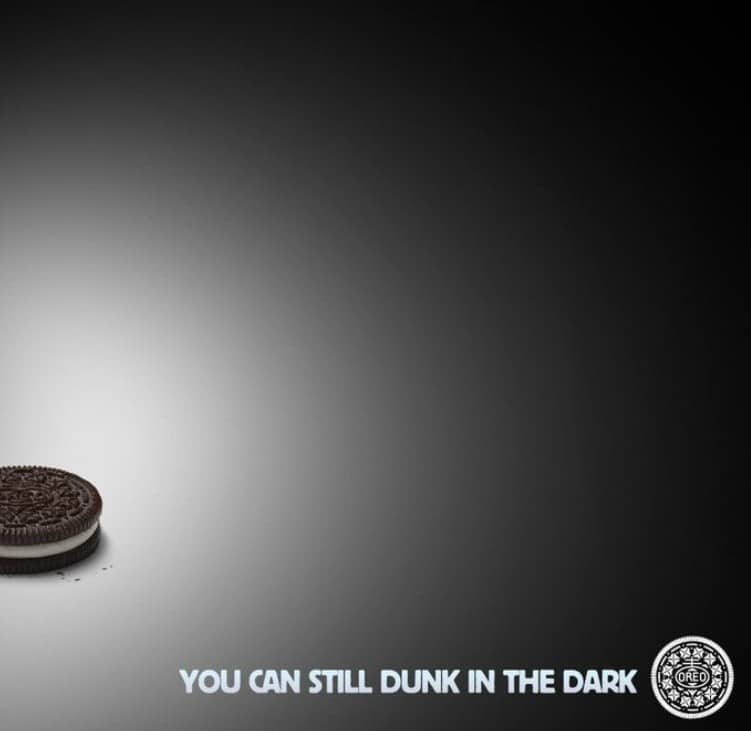
Example: Within minutes of the Super Bowl’s power outage at the Superdome, Oreo tweeted a simple image of a dimly-lit Oreo cookie with the text “Power out? No problem” and the caption “You can still dunk in the dark”. This wasn’t a planned campaign, but pure velocity marketing in action.
I = Identity
- Campaigns are designed around customers’ aspirational selves, not just product features.
- Consumers buy into a vision of who they want to become.
Example: OLIPOP marketed a probiotic soda as a lifestyle movement, promoting balance and wellness for Gen Z. The product became a symbol of identity, not just a beverage.
B = Boundaryless
- Vibe marketing removes the walls between brand, product, and experience.
- Whether a customer sees a TikTok, browses a site, or unboxes the product, the emotional tone remains unified.
- The approach discourages siloed funnels in favour of holistic brand experiences.
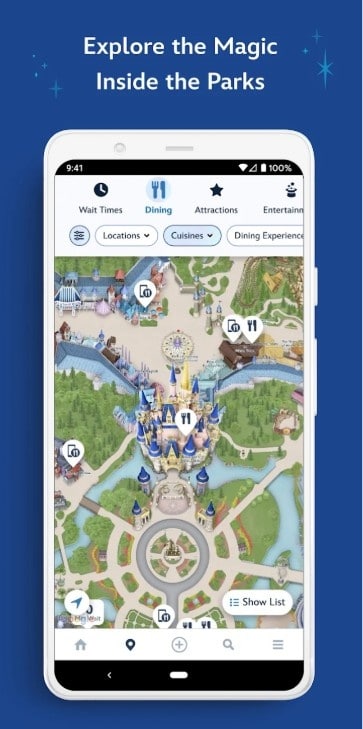
Example: Disney shows marketing without limits; it blends digital and physical experiences. You plan a trip on their website. In the park, the My Disney Experience app helps. Each point of contact holds a magical emotional tone.
E=Emotions First
- Brands first define the precise emotion they intend to trigger, and craft messages backward from that target.
- The exact sequence lifts engagement two to threefold in consumer goods, fintech, and software.
- Replacing feature lists with emotion-centered narratives repeatedly yields double- and triple-digit jumps in audience response.
Example: Spotify Wrapped converts raw play counts into a mirror that invites users to celebrate identity. The result floods social feeds with screenshots and stories about Spotify.
Vibe Marketing Growth & Why It’s Needed?
- As of Q3 2024, 47% of Fortune 500 companies adopted vibe marketing elements.
- Searches for “vibe marketing” surged by 686% over the past 12 months.
- Startups like Phoenix posted vibe marketing roles on Y Combinator, offering up to $1 million in compensation.
- Brands can launch campaigns in hours instead of weeks.
- Companies cut content production costs by 70-80% using automated tools.
- Personalized campaigns showed 60% faster revenue growth compared to traditional strategies.
- 42% of Gen Z favor relatable creators over brand accounts for product recommendations, pushing brands to shift from polished brand-led campaigns.
Source: Data Mania, Exploding topics, MPGone, IZEA
Key Vibe Marketing Metrics By Channel: Case Study
Let’s see how vibe marketing performs across different channels and what brands are learning from real-world examples.
1. Duolingo’s Viral “death of Duo” on Instagram
This campaign boosted engagement and gained 17 million followers with emotional, mascot-led content.
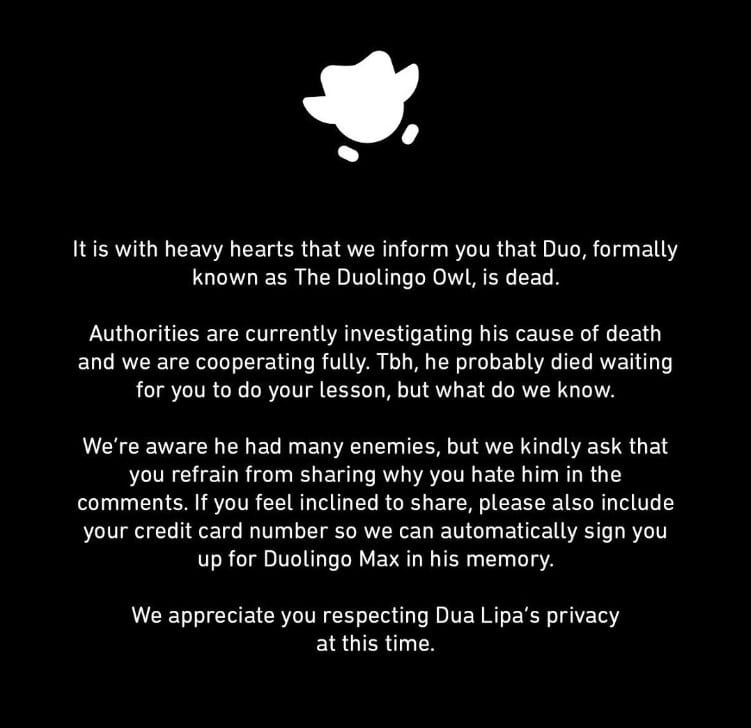
By using humor and gamification, bold, fast, and authentic social media strategies can make brands unforgettable, even on a tight budget.
Source: Ehandbook
2. Ocean Spray’s TikTok Breakthrough
Nathan Apodaca’s 22-second TikTok, skateboarding to work, sipping Ocean Spray Cran-Raspberry, and lip-syncing Fleetwood Mac’s Dreams, went viral with 73 million views. Check it out here.
The clip doubled Ocean Spray’s stock price, sent Dreams to #1 on iTunes 33 years after release, and earned Apodaca 6 million followers. Ocean Spray leaned in with a cranberry-red truck gift, sparking another 10 million views.
Authentic, unplanned content can spark massive cultural moments when brands react quickly and playfully.
Source: P3da, businessgrow, Marketingdive
3. Ryanair’s Self-Deprecating TikTok Success
Ryanair embraced its budget-airline reputation with a googly-eyed plane persona cracking jokes about poor service.
The humor-first approach brought 2 million+ followers, hundreds of millions of views, and a single post topping 15 million views, beating the combined TikTok followings of several major rivals.
Leaning into humor and self-awareness can turn perceived flaws into a powerful engagement engine.
Source: Honeymarketing
Vibe Marketing Tools & Tech
Let’s take a look at the tools and technologies powering the rise of vibe marketing.
1. N8n
| Free Plan/Free Trial | 14-day free trial (No Free Plan) |
| Best For | Complex or deeply customized automations. |
| Pricing | Starts at $20/month as a starter pack |
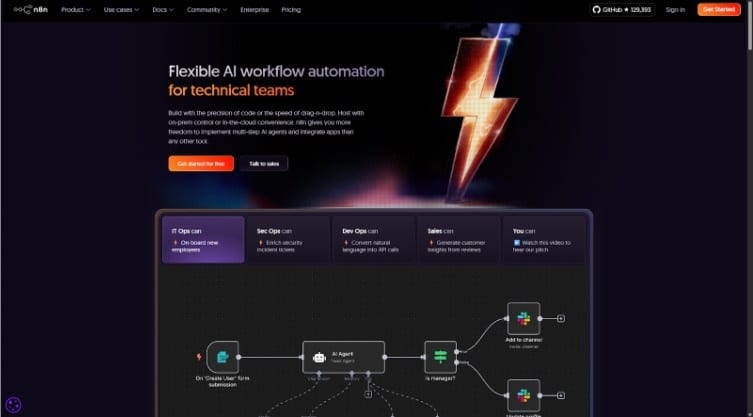
n8n is a flexible AI workflow automation tool combining code precision with drag-and-drop speed. It offers on-premise or cloud hosting, over 500 integrations, multi-step AI agents, and ranks among GitHub’s top projects with 129k+ stars.
2. Manus
| Free Plan/Free Trial | Lifetime Free Plan Available with Limited Usage |
| Best For | Results-oriented execution with minimal human intervention |
| Pricing | Starts at $16/monthPlus |
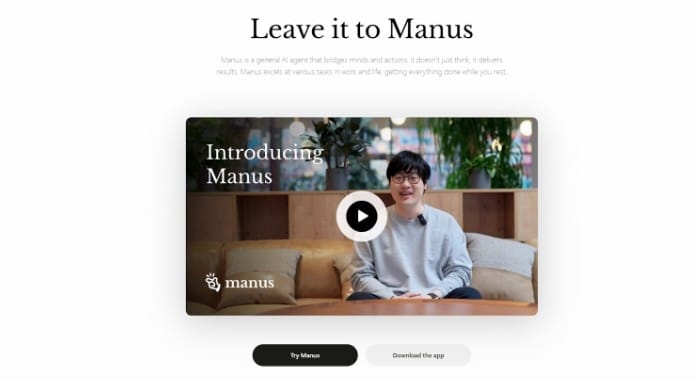
Manus AI, in terms of For Vibe Marketing, automates complex workflows, letting marketers focus on creative strategy while Manus handles multi-channel campaign execution, data analysis, and content creation.
3. SEMRush Content Toolkit
| Free Plan/Free Trial | 7-day free trial available. |
| Best For | All in one marketing tool |
| Pricing | Starts with $117.33/mo |
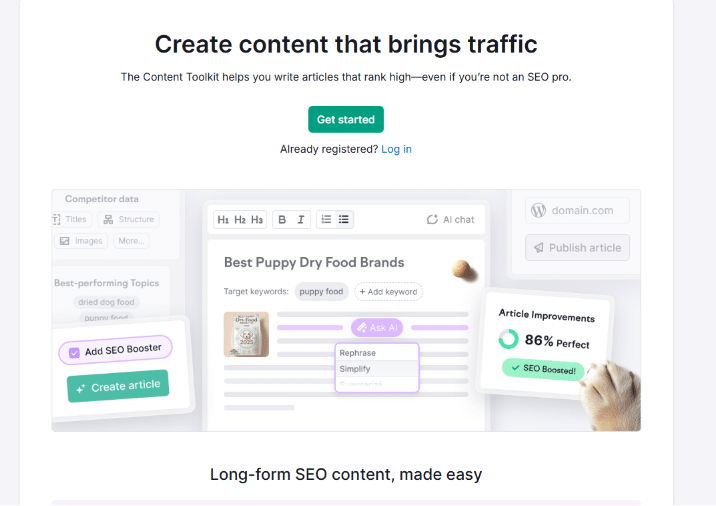
The Semrush Content Toolkit uses AI to help marketers plan, craft, and refine SEO content, offering industry-specific ideas, ongoing optimization, support for multiple languages, and automation. Through the features, individuals, teams, and agencies improve their search engine position, user interaction, and work output.
4. Canva
| Free Plan/Free Trial | Lifetime free usage available. |
| Best For | All-in-one solution for graphics, videos, and presentations |
| Pricing | Canva Pro: $120/year for one person |
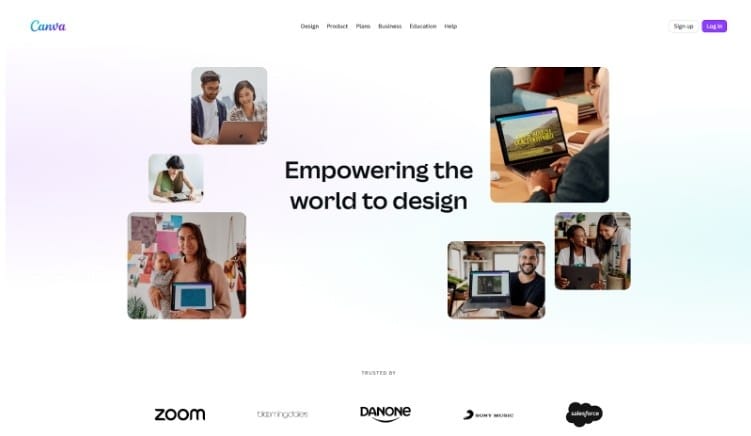
Canva’s templates, AI features, and collaboration tools enable brands to capitalize on cultural moments and maintain consistent visuals across channels.
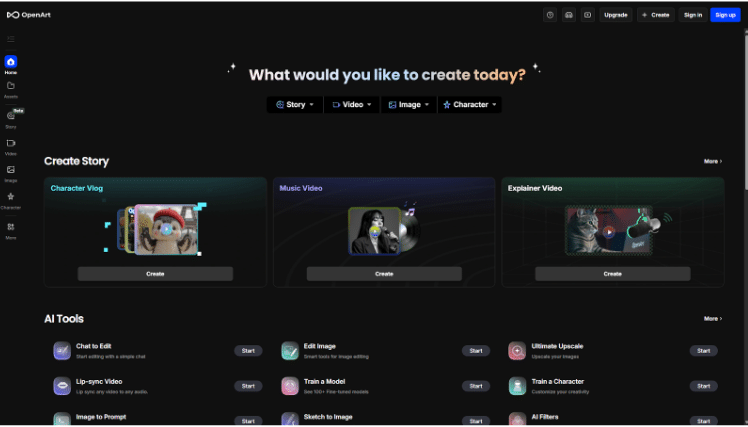
5. DALL-E By OpenAI
| Free Plan/Free Trial | Lifetime free usage available. |
| Best For | Create images from textEdit or transform visuals |
| Pricing | Starts at $10/month |
DAAL-E creates high-definition images based on user prompts, which is perfect for unique marketing needs to match the brand vibe.
How Do You Measure The Effectiveness Of Vibe Marketing?
To measure a vibe marketing campaign, one looks past mere clicks. The campaigns that work best move people to create content and begin real talks.
This shows that an authentic ‘vibe’ brings better outcomes than do surface numbers.
Social talks, shares, comments, along with community involvement, show if campaigns connect plus cause honest exchanges.
What Do Experts Say About Vibe Marketing?
Jamie Bulman, a Senior Solutions Consultant at Brandwatch, states that vibe marketing transforms brand-audience connection.
It moves away from outdated metrics like reach and ad value, which he calls “debunked as absolute metrics,” encouraging brands to consider their impact more intuitively.
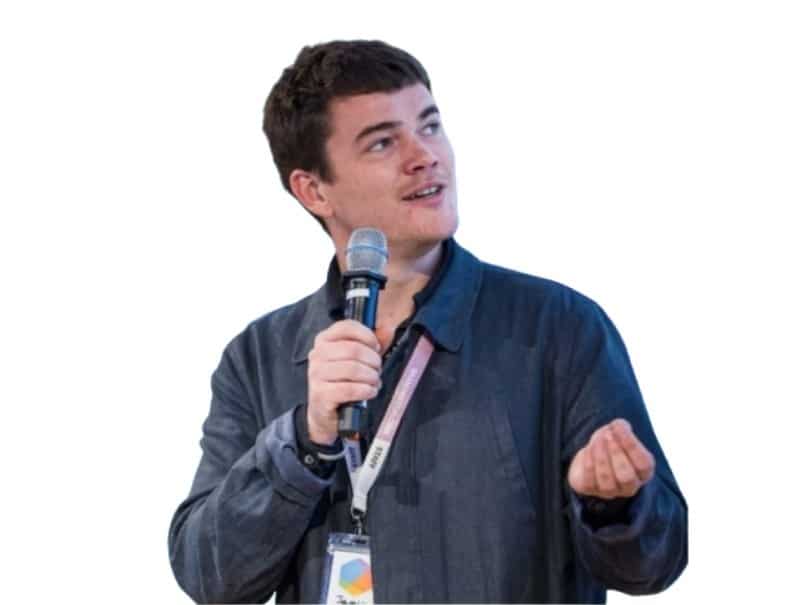
Here is how Vibe marketing plays a role, based on Jamie Bulman’s expert insights:
- It offers a new perspective
- Shows a brand’s core and tone
- The emotions it conveys
- Authenticity
In conclusion, it not only concentrates on consumer actions but also builds meaningful connections.
Source: Usercentrics
Kipp Bodnar, Alex Lieberman, and Kieran Flanagan discussed “vibe marketing” in a podcast as the future of marketing in the AI era.
Alex described it as aligning a company’s marketing with the “vibes” of its product roadmap, using fast product releases and visible momentum, as Beehive did, to build relevance.
They contrasted this with mere automation, emphasizing speed, taste, and micro-audience targeting. Human creativity, paired with AI tools, enabled rapid, personalized campaigns that adapted quickly, moving away from traditional, slow, content-heavy approaches.
The Future Of Vibe Marketing AI
- 90% of the top-performing companies are expected to use AI for hyper-personalized, vibe-aligned content.
- The global marketing tech market is expected to reach $575.11 billion and is expected to grow to $1,769.49 billion by 2032.
- AI is projected to automate 30% of all marketing hours by 2030.
- Emotional targeting and vibe-detection tools will monitor micro trends and cultural cues in real time.
- Brands will shift towards AR/VR emotional experiences, lo-fi digital assets, and multi-platform mood testing.
- Investment in influencer marketing will reach $9.29 billion, 14.2% YoY, with vibe driving campaign trust.
Source: GNW, amraandelma, Superagi, Chatpromptgenius
More marketing reads & trends:
Conclusion: Vibe Marketing Prioritizes Emotion, Culture, And AI-Driven Creativity!
Vibe marketing boosts brand growth through emotional connection and cultural alignment. Specifically, campaigns that use AI-powered vibe strategies increase engagement and strengthen communities.
Additionally, they shorten the production cycle and lower costs. As a result, startups and major brands experience faster revenue growth and stronger loyalty when they use these methods.
Therefore, the demand for skilled vibe marketers continues to grow, given all the advantages. Salaries can reach up to $1 million, highlighting the high value of expertise in this impactful, data-driven marketing approach.
FAQs
Searches have increased 686% in one year. Almost half of Fortune 500 brands now use it.
Companies report 60% faster revenue growth and 70-80% cost reduction.
It resonates across ages when emotionally aligned, Duolingo’s success proves multi-age reach.
